
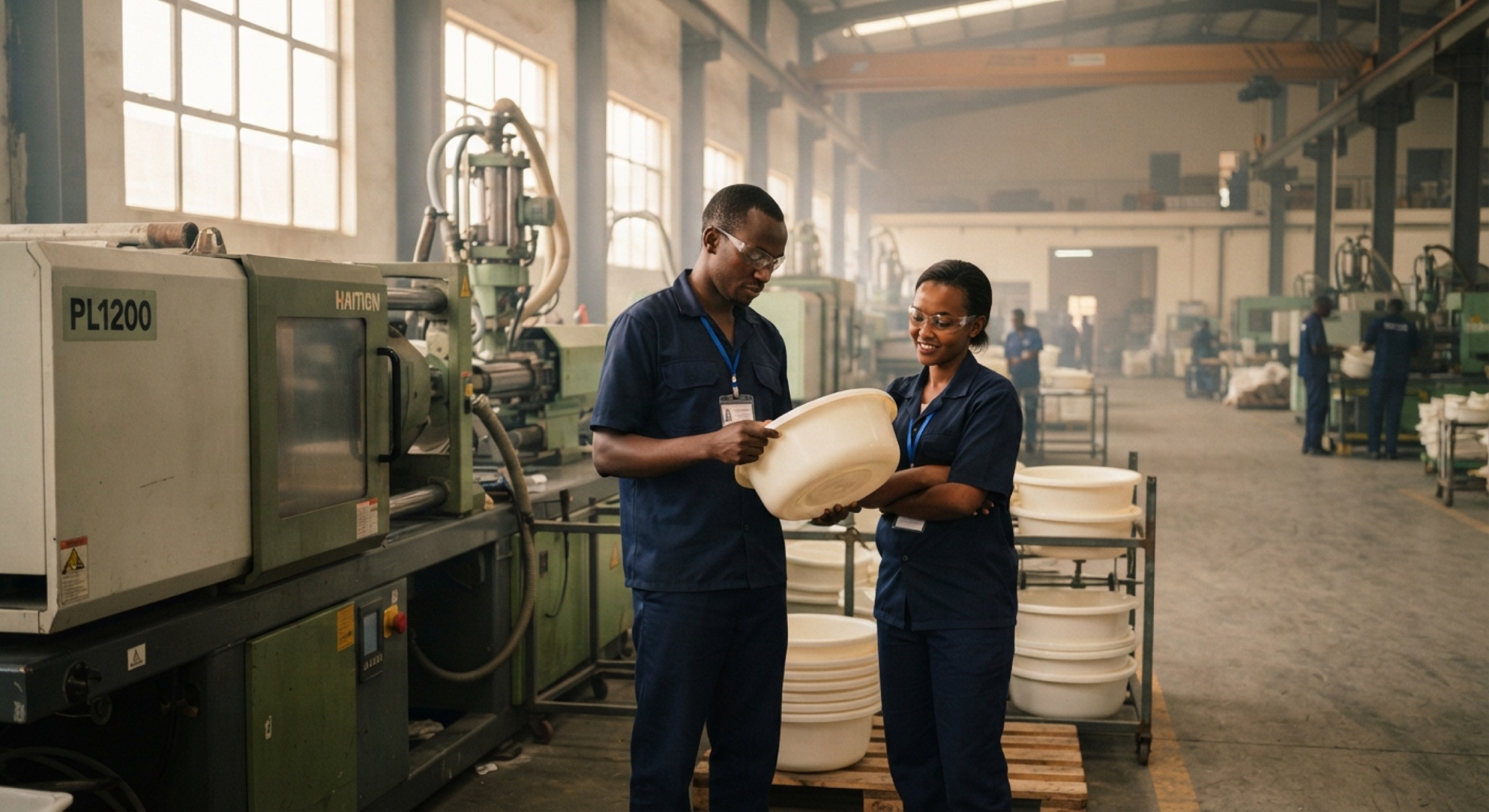
Your whole factory,
under your control.
Materials, production, stock, sales and money in one place. Qonta updates the cost of each product every time materials arrive, so you always know your real profit and when to change your price.
RRA EBM receipts
Issued as you sell, when you use EBM
IFRS for SMEs
Standard financial reports
Unlimited users
One price for the whole team
Mobile Money
Paid in RWF, by MoMo or bank
Problems Rwandan factories face
Many factories stop because there is no money to buy materials.
About 63% of factories in Rwanda work far below what they can produce. In February 2026 the Prime Minister said the main reason is often not a lack of customers, but a lack of money to buy materials. Qonta does not give loans. It shows you where your money is.
Sources: the Prime Minister, citing NISR, in KT Press, 5 February 2026. The franc: BNR figures reported by The EastAfrican. EBM fines: the 2015 VAT law, reported by The New Times.
Your money is stuck in stock and unpaid invoices
See how much stock you have and what it cost. See which customers owe you, and for how long. Buy only what your orders need, and follow up on late payments.
Your costs go up, but your prices stay the same
Qonta adds transport, customs and clearing to the cost of materials. The cost of each product is updated when materials arrive, so you can change your price in time.
You do not know where the materials went
Production asks for materials, Management approves, Stores gives them out. After each production you see what was planned, what was used, and who used it.
One tax fine can cost millions
An EBM fine is between 2 and 20 million RWF. Qonta makes the EBM receipt for every sale, so your records are always complete.
One screen
See your whole factory on one screen.
What needs your approval, what is being made, what was used and what each product cost.
Demo Plastics Ltd
Production
Orders, what they used and what each piece cost
Made this month
18,400
pieces, 6 products
Average cost per piece
1,612 RWF
3% lower than September
Scrap
1.8%
of pieces made
Materials issued
24.6M RWF
at average cost
| Product | Quantity | Asked by | Stage | Cost per piece |
|---|---|---|---|---|
| Jerrycan, 5 litres | 2,000 | Eric, Production | To approve | est. 2,310 |
| Plastic chair | 400 | Eric, Production | To approve | est. 6,950 |
| Bucket, 10 litres | 1,500 | Aline, Production | To issue | est. 1,120 |
| Plastic basin, 20 litres | 1,000 | Eric, Production | Done | 1,845 |
Built for the factory and the office
A clear system to run your factory.
An expert who visits Rwandan factories said many have good machines but no clear system to run them. Qonta is that system. Each person does their job on their own screen, and you see everything.
Olivier Condo, LeanEdge Consulting, in The New Times, May 2026.
Bill of materials
Write once what goes into each product.
List the materials for one piece. Every production order then shows what it needs and how much is in stock.
Plastic basin, 20 litres
For 1,000 pieces
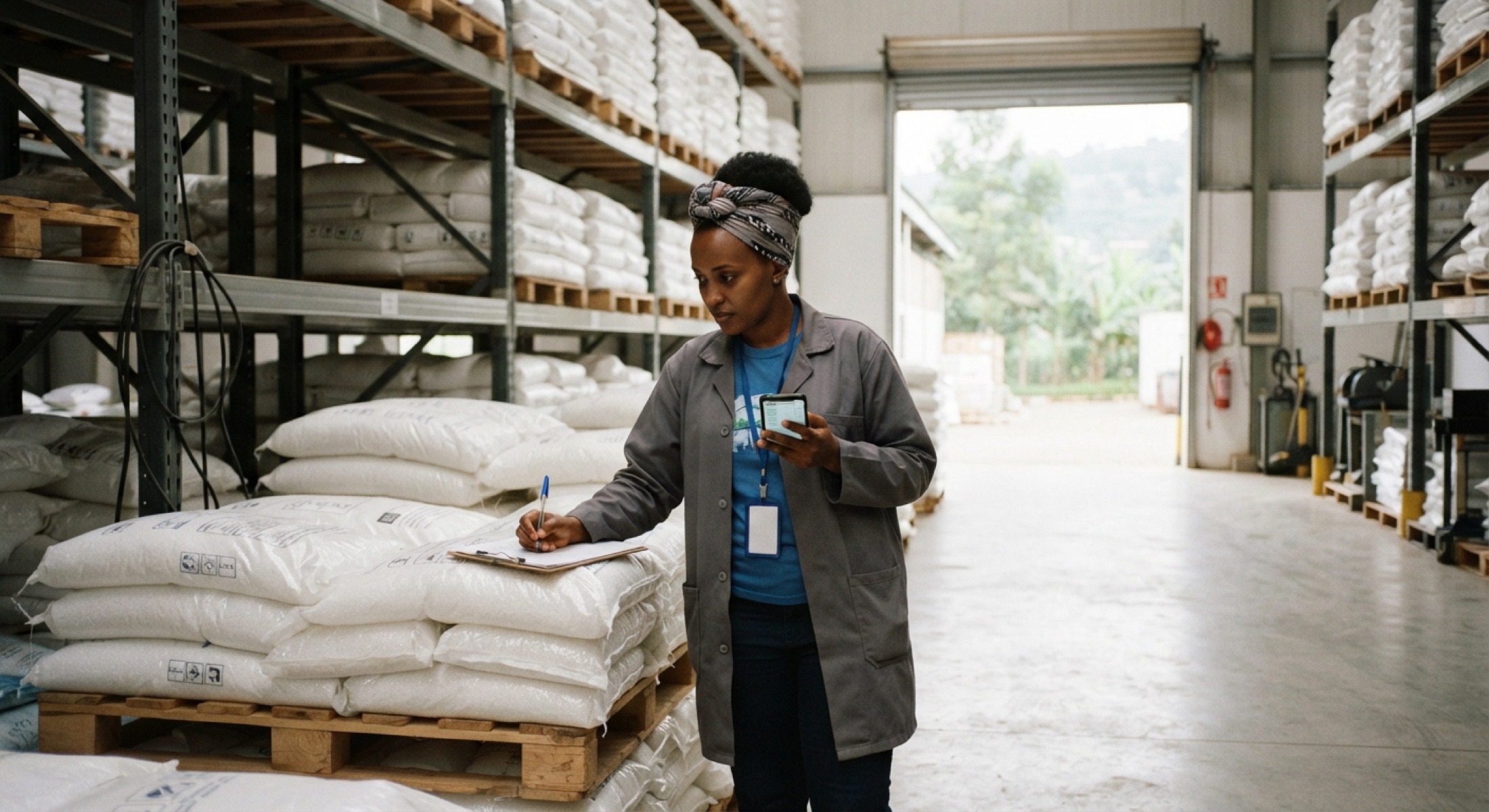
Stores only count.
They record what comes in and goes out, on a phone. They do not see prices.
Approvals
Materials leave the store only with your approval.
Production asks, Management approves, and Stores gives out what was approved and takes back what was not used.
Eric, Production
Asked for materials for 2,000 jerrycans
Grace, Management
Approved
Jean, Stores
Issued 2,480 kg of PP granules
Landed cost
Know the full cost of your materials.
Transport, customs and clearing are added to the cost. Each delivery is followed on its own, with what is left.
Usage against the bill
See where the materials went.
Each production shows what it should have used and what it really used. The Accountant sees the difference in money.

Who does what
Each person does their job. You see everything.
Management
Approves purchases and production. Sees everything, including money.
Accountant
Checks supplier invoices, sees what each product cost, prepares the books.
Stores
Receives and gives out materials, counts stock. Does not see prices.
Production
Writes what goes into each product, asks for materials, records each production.
Sales
Makes quotations, invoices and receipts for finished products.
Reports
Reports your bank will ask for.
Most Rwandan businesses say getting a loan is their biggest problem. Banks ask for clear financial reports before they lend. Qonta prepares them to IFRS for SMEs at the end of each month, ready to download as PDF or Excel.
Source: World Bank Enterprise Survey, Rwanda 2023.
How you start
We set it up with you.
1
We visit your factory
We show you Qonta with your own products, together with the people who will use it.
2
We enter your data
Your products, materials, what goes into each product, and your opening stock. Our team does it.
3
Your team starts working
Each person uses Qonta on the web or on the phone, from the first order.
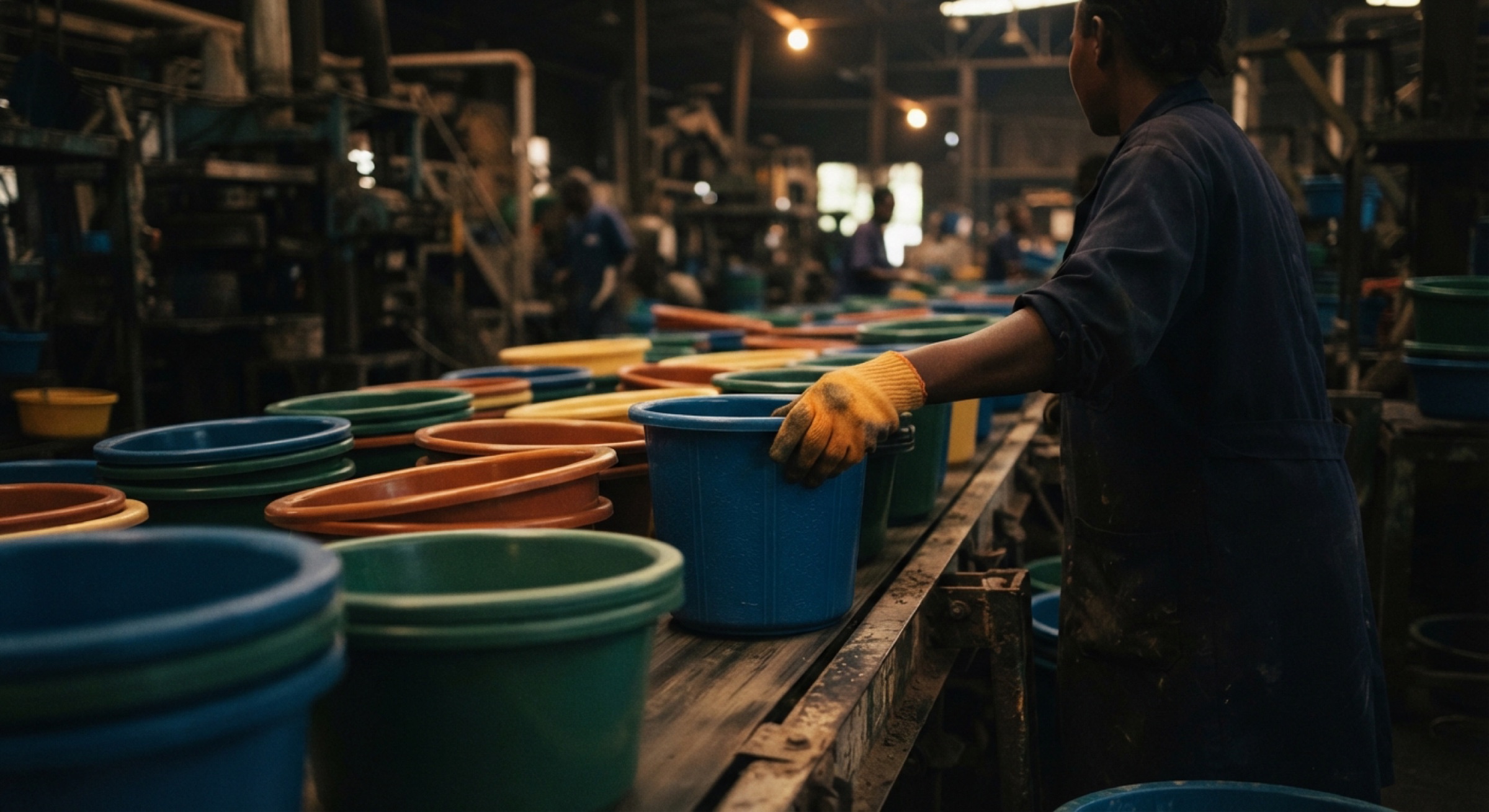
Manufacturing is in the Growth plan
Know your real cost before you set your price.
Growth also has everything in Professional: purchase orders, approvals, payroll and fixed assets.